There are few feelings as unsettling as walking through your home and realising your companion is not there. The lead is still on the hook. The food bowl is still full. And your pet is somewhere out there, without you.
If you are reading this because your pet is missing right now, take a breath first. Your nervous system needs to settle before you can think clearly, and your pet, wherever they are, will benefit from your calm more than your panic. Here is what to do next.
1. Search close to home first
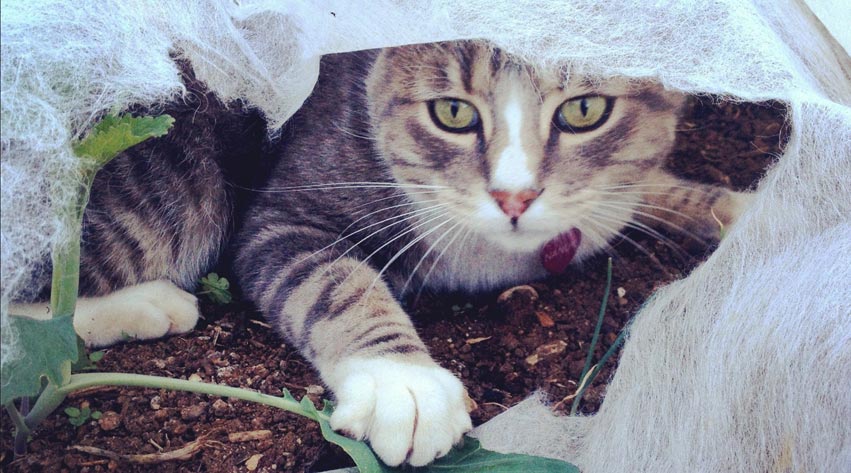
Most pets, especially cats, do not travel as far as we assume. Many are found within a few hundred metres of home, often hiding rather than roaming. Check under decks, inside sheds, behind garden walls, and any small dark spaces a frightened animal might crawl into. Search at dawn and dusk, when the world is quieter and pets are more likely to move.
2. Let your home call them back
Leave a worn item of your clothing, their bed, or a litter tray outside near the entrance. Familiar scent can guide a disoriented animal home even when sight and sound cannot.
3. Alert your neighbours and community
Knock on doors. Post in local community groups and neighbourhood WhatsApp chats. Share a clear, recent photo along with your pet’s name, description, and where they were last seen. In small towns like Stanford and Hermanus, a well placed message can travel further and faster than a physical search.
4. Contact vets, shelters and animal welfare organisations
Phone or visit local vets and animal welfare organisations within a reasonable radius. Ask them to flag your pet’s details in case someone brings them in. Many areas also have online lost and found pet registries worth checking daily.
5. Use physical and digital flyers together
A flyer at the local shop or on a lamppost still works, especially in smaller communities where people know the streets and each other. Pair this with an online post so the search covers both the people walking past and the people scrolling at home.
6. Tend to your own heart while you search
Losing a pet, even temporarily, stirs up real grief and fear. Give yourself permission to feel that without letting it take over the search. A steady, grounded owner is often what helps a frightened pet find their way back, because animals are deeply attuned to the emotional state of the people they love.
When the search feels stuck
Sometimes you have done everything right and there is still no sign of them. This is often when owners reach out for animal communication, a gentle way of tuning into your pet’s energy, location cues, and emotional state, to bring clarity when the physical search has reached its limits.
Animal communication does not replace practical searching. It works alongside it, offering insight into where your companion might be, how they are feeling, and what might help guide them home.
A final thought
Your bond with your pet did not disappear the moment they went missing. That connection is still there, and it is often the thread that leads them back to you.
If your pet has gone missing and you would like support through animal communication to help sense their location and wellbeing, reach out to me directly. I offer remote sessions and would be glad to sit with you and your companion’s energy to help bring them home.
Contact me to book a session: shifahands.co.za/contact-to-book